
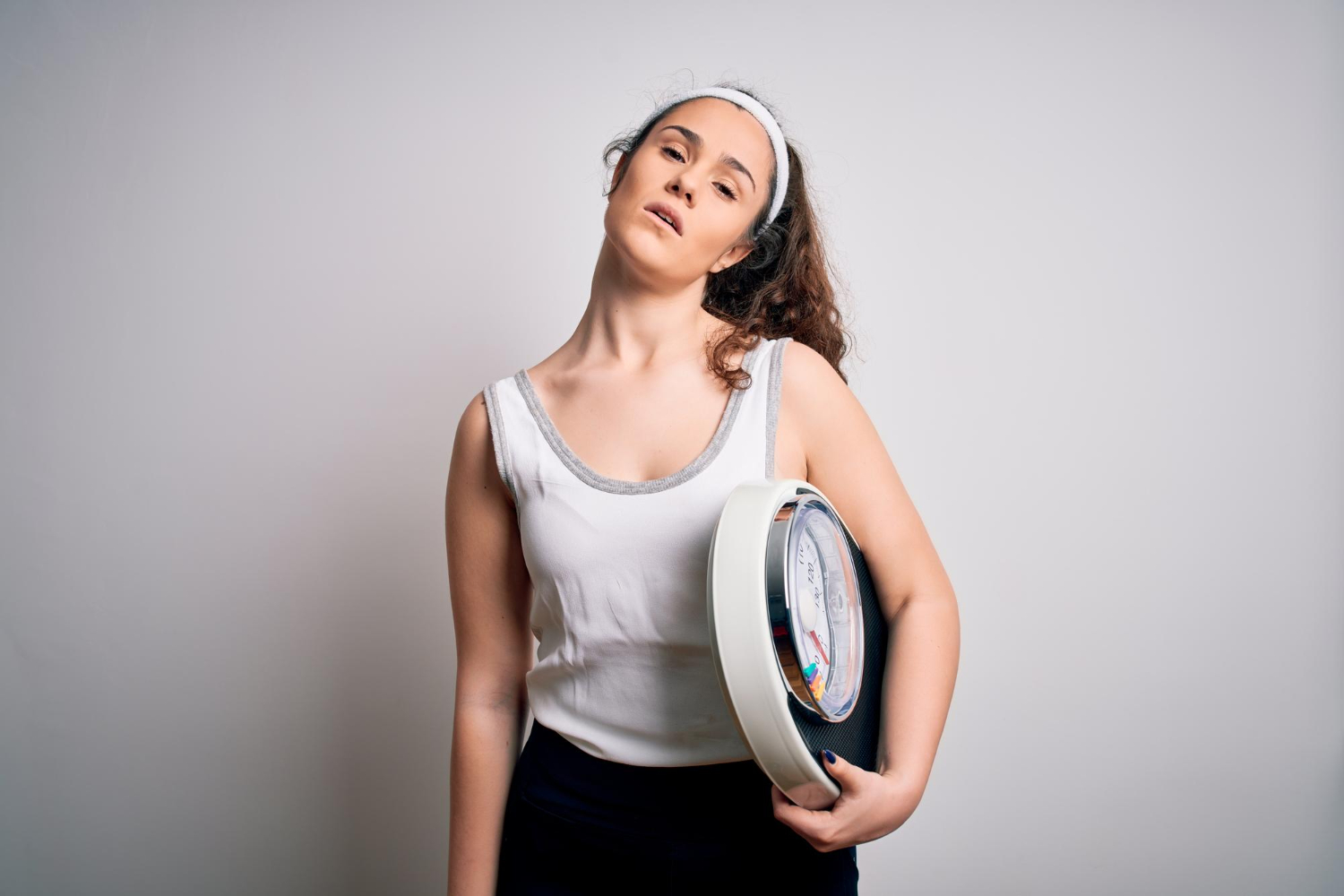

Does the Pill Cause Weight Gain?
Weight changes can feel confusing, emotional, and sometimes frustrating—especially when you’re trying to understand whether contraception plays a role. If you’ve ever wondered “Does the pill cause weight gain?” or “Why did my body change after starting contraception?”, you’re not alone. Let’s walk through the evidence together, gently and clearly.
Does the pill cause weight gain?
According to both the NHS and the Faculty of Sexual & Reproductive Healthcare (FSRH), there is no strong evidence that the combined pill or the progestogen‑only pill causes significant weight gain. Most people maintain a stable weight, and any early changes are usually due to temporary water retention, not fat gain.
The FSRH highlights that weight naturally fluctuates over time—due to age, lifestyle, stress, and hormonal shifts—so it’s easy to associate changes with contraception even when the pill isn’t the cause.
Morning after pill and weight gain
There is no evidence that the morning after pill (levonorgestrel or ulipristal acetate) causes weight gain. Some people may feel bloated or experience temporary cycle changes, but these settle quickly. NHS guidance focuses on access and effectiveness—not weight changes—because weight gain is not a recognised side effect.
Why do some people feel heavier on the pill?
A few reasons can explain this experience:
- Water retention (especially with combined pills) can cause temporary bloating.
- Lifestyle changes—new relationships, stress, comfort eating, reduced activity—often coincide with starting contraception.
- Normal age‑related weight gain can overlap with pill use.
- Cycle changes may make you feel “puffier” at certain times of the month.
These feelings are valid—but they don’t mean the pill is causing fat gain.
How to lose weight after being on the pill
If you’ve stopped the pill and want to feel more like yourself again, here are gentle, sustainable steps:
1. Give your body time
If you experienced water retention, this usually settles within a few weeks of stopping or switching methods.
2. Focus on nourishing habits
- Balanced meals with protein, fibre, and whole grains
- Regular movement you enjoy (walking, dancing, strength training)
- Hydration and consistent sleep
3. Check in with your emotional wellbeing
Stress, burnout, and hormonal shifts can all influence appetite and weight.
4. Speak to a clinician if changes feel unusual
A pharmacist, GP, or sexual health nurse can help you explore other causes—thyroid, PCOS, mood changes, or medication interactions.
When to consider switching contraception
If you’ve been on a pill for 3–6 months and still feel it doesn’t suit you—whether due to mood, skin, bloating, or cycle changes—it’s absolutely okay to explore alternatives. There is no “one perfect pill,” only the one that fits you best.
Next steps
If you're concerned about weight gain with your pill, click here to book an appointment. You can have a confidential consultation with a clinician who will give you honest, impartial advice so you can feel confident in your contraception choices.
Trusted References